


Hey there! If you’re passionate about wildlife, conservation, and love the idea of working amidst the breathtaking landscapes of New Mexico, then a career with New Mexico Game and Fish might be just the ticket. Let’s dive into the exciting world of fish and game employment opportunities in this beautiful state and see what it takes to land one of these rewarding jobs. To find more, check on salem-team.com
Working in the realm of New Mexico Game and Fish offers more than just a paycheck. You get to play a vital role in conserving the state’s natural resources, protecting wildlife, and ensuring that future generations can enjoy these wonders as much as we do today. Plus, who wouldn’t want an office that includes mountains, forests, and rivers?
The Significance of Conservation
Conservation is more than just a buzzword—it’s a critical component of maintaining biodiversity and ecological balance. By working with New Mexico Game and Fish, you actively contribute to these efforts. Your work helps preserve the environment, which supports both wildlife and human communities. This role is about ensuring that New Mexico’s natural beauty remains unspoiled for future generations.
Scenic Work Environment
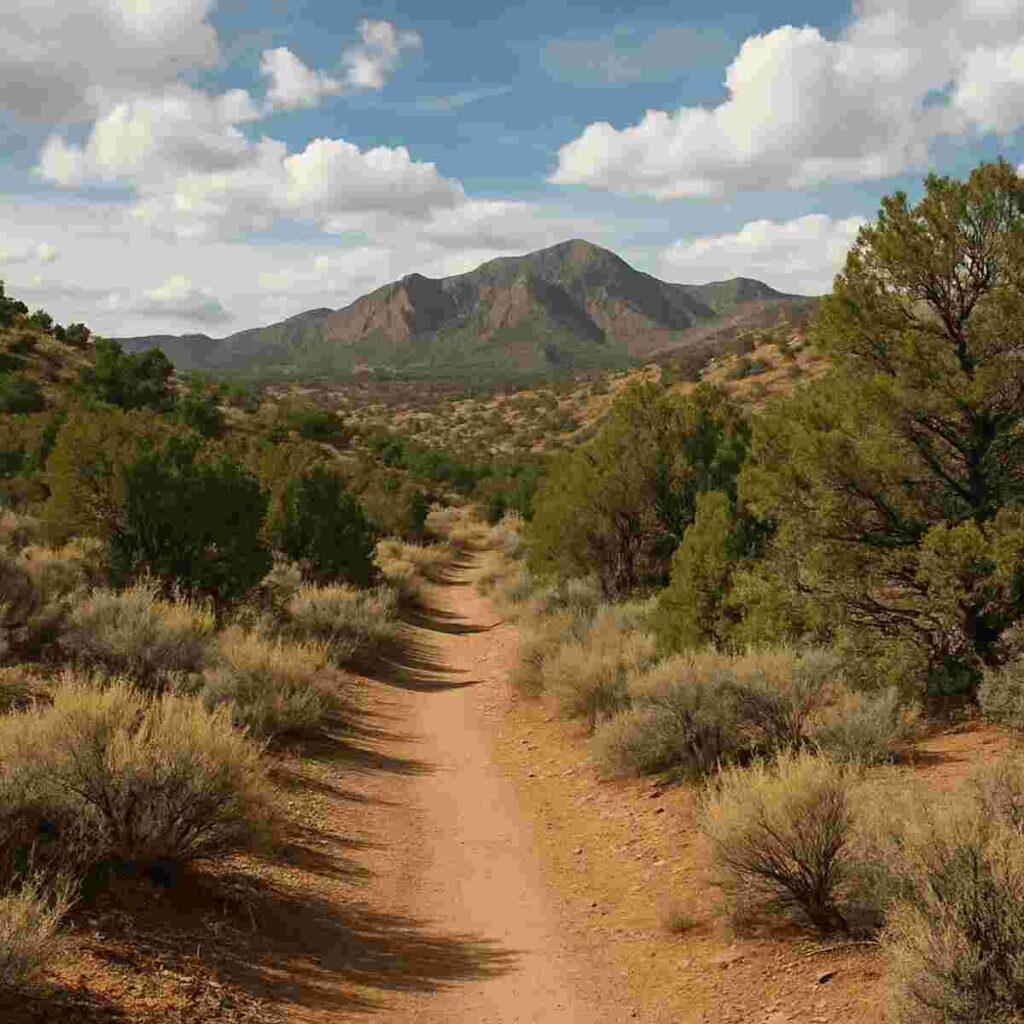
Imagine starting your day surrounded by the majestic landscapes of New Mexico. From the Sangre de Cristo Mountains to the White Sands National Monument, your “office” can be one of the most beautiful places on Earth. This kind of work environment not only enhances job satisfaction but also promotes a deep connection with nature, fostering a unique sense of purpose and fulfilment.
Community Impact
Your work has a direct impact on local communities. By preserving wildlife and natural habitats, you help maintain New Mexico’s rich cultural heritage and outdoor recreational opportunities. This, in turn, supports local economies and enhances quality of life, creating a ripple effect of positive outcomes that go far beyond the immediate scope of your job.
Job Variety and Opportunities
The New Mexico Department of Game and Fish offers a wide range of job opportunities for different skill sets and interests. Whether you’re into biology, law enforcement, education, or administrative work, there’s likely a role for you. Here’s a quick rundown of the types of jobs you might find:
Wildlife Biologists
Wildlife biologists play a crucial role in studying and managing wildlife populations. Their work ensures healthy ecosystems and biodiversity, which are essential for a thriving environment. As a wildlife biologist, you might conduct field research, analyze data, and develop conservation plans to protect endangered species and habitats.
Conservation Officers
Conservation officers are the frontline defenders of wildlife laws and regulations. They enforce game and fish laws, educate the public about conservation, and protect wildlife from illegal activities. This role requires a strong understanding of both natural resources and law enforcement, making it a dynamic and impactful career choice.
Fish Hatchery Managers
Fish hatchery managers oversee the breeding and release of fish species into lakes and rivers, playing a vital part in maintaining aquatic ecosystems. Their work supports recreational fishing and helps sustain fish populations, which are crucial for ecological balance and local economies. This role combines elements of biology, resource management, and community engagement.
Administrative Roles
Behind the scenes, administrative roles are essential for supporting the department’s operations. These positions involve everything from managing budgets and coordinating projects to handling communications and human resources. While not directly involved in fieldwork, administrative staff play a key role in ensuring that the department runs smoothly and effectively.
Making a Difference
One of the most fulfilling aspects of working in fish and game employment is the chance to make a real difference. By joining the New Mexico Game and Fish team, you’re directly involved in preserving the state’s rich biodiversity and helping to maintain its natural beauty.
Biodiversity Preservation
Biodiversity is the cornerstone of a healthy ecosystem. Working in this field allows you to actively participate in efforts to protect diverse species and habitats. Your work helps prevent species extinction, promotes genetic diversity, and maintains ecosystem services that benefit both wildlife and humans.
Environmental Education
Educating the public about conservation is a key part of this work. By raising awareness and promoting sustainable practices, you contribute to a culture of conservation. Engaging with communities through educational programs and outreach initiatives helps foster a deeper understanding and appreciation for New Mexico’s natural resources.
Long-term Impact
The impact of your work extends far beyond immediate results. By contributing to conservation efforts, you help ensure that future generations can enjoy New Mexico’s natural wonders. This long-term perspective is both motivating and rewarding, providing a sense of purpose that transcends day-to-day tasks.
How to Get Started in New Mexico Game and Fish Careers
So, you’re interested, but how do you actually get started in this field? Here are some steps you can take:
Education and Qualifications
Most positions, especially those involving biology or law enforcement, require a relevant degree. This could be in fields like wildlife management, biology, environmental science, or criminal justice.
Wildlife Biologist Pathway
Becoming a wildlife biologist typically requires a bachelor’s degree in wildlife biology, ecology, or a related field. Advanced roles may prefer candidates with a master’s degree, offering deeper expertise in specific areas of study. Coursework often includes subjects like ecology, wildlife management, and environmental science.
Conservation Officer Training
For conservation officers, a degree in criminal justice or a natural resources-related field is often required. In addition to academic credentials, specific law enforcement training is essential. This includes physical fitness standards, firearms training, and knowledge of legal procedures and wildlife laws.
Administrative and Support Roles
Administrative roles might not require specialized degrees, but skills in management, communications, or business administration can be beneficial. These positions often value experience in organizational management, project coordination, and effective communication strategies.
Gain Experience
Experience is key. Volunteering or interning with conservation organizations can give you valuable hands-on experience and help you stand out from other applicants. Programs like AmeriCorps or volunteering at local wildlife reserves can be a great start.
Volunteering Opportunities
Engaging in volunteer work with conservation groups provides practical experience and networking opportunities. This exposure helps build a resume and demonstrates your commitment to the field. Volunteering at wildlife reserves or participating in citizen science projects are excellent ways to gain relevant experience.
Internship Programs
Internships offer structured learning experiences, often involving mentorship and training. Seek internships with organizations focused on wildlife conservation, environmental research, or natural resource management. These programs provide hands-on learning and can often lead to permanent job opportunities.
Networking and Community Involvement
Networking is crucial in the conservation field. Attend workshops, seminars, and conferences related to wildlife conservation to meet professionals and learn about industry trends. Building connections with like-minded individuals can open doors to job opportunities and collaborative projects.
Apply and Network
Once you’ve got the education and experience under your belt, it’s time to apply! Check the New Mexico Department of Game and Fish’s website for job postings. Networking with professionals already in the field can also be incredibly helpful. Attend wildlife conservation events and workshops to meet others who share your passion.
Job Application Process
Start by regularly checking the New Mexico Department of Game and Fish’s website for job openings. Tailor your resume and cover letter to highlight relevant experience and skills. Be sure to emphasize your passion for conservation and your commitment to the department’s mission.
Leveraging Professional Connections
Networking can significantly enhance your job search. Connect with professionals in the field through platforms like LinkedIn or by attending industry events. These connections can offer valuable insights into job opportunities, industry trends, and best practices.
Continuous Learning and Development
Stay informed about the latest developments in conservation and wildlife management. Engage in continuous learning through online courses, workshops, and certifications. This commitment to professional growth demonstrates your dedication and can enhance your qualifications for various roles.
What Skills Do You Need?
Let’s talk about the skills you’ll need to thrive in fish and game employment. Beyond the technical requirements of the job, some key soft skills and traits can help you succeed:
Passion for Conservation
First and foremost, a genuine passion for wildlife and conservation is crucial. It’s this passion that will drive your commitment and dedication to the job.
Commitment to Environmental Stewardship
A deep commitment to environmental stewardship is essential. This involves a proactive approach to protecting natural resources and a willingness to advocate for sustainable practices. Your passion serves as a foundation for inspiring others and driving meaningful change.
Enthusiasm for Wildlife and Nature
An innate enthusiasm for wildlife and nature is a hallmark of successful conservation professionals. This enthusiasm fuels your work and keeps you motivated, even in challenging situations. It also helps you connect with others who share your passion, fostering a collaborative and supportive work environment.
Communication Skills
Whether you’re educating the public or writing reports, strong communication skills are essential. You’ll need to convey complex information in a way that’s easy to understand.
Public Engagement and Education
Effective communication is key to engaging with the public and educating them about conservation efforts. This involves presenting information in a clear, accessible manner and tailoring your message to different audiences. Public speaking, outreach programs, and educational workshops are all opportunities to hone these skills.
Report Writing and Documentation
Strong writing skills are crucial for documenting research findings, preparing reports, and communicating with stakeholders. Clear, concise writing ensures that your work is understood and valued by colleagues, policymakers, and the public.
Interpersonal Communication
Working in conservation often involves collaboration with diverse groups, including colleagues, community members, and external partners. Effective interpersonal communication helps build strong relationships, facilitate teamwork, and resolve conflicts, enhancing overall productivity and job satisfaction.
Problem-Solving Abilities
Working in New Mexico Game and Fish often involves addressing unexpected challenges. Whether it’s dealing with poachers or handling a wildlife emergency, being able to think on your feet is a must.
Adaptive Thinking
Adaptive thinking is crucial for addressing the dynamic challenges of conservation work. This skill involves quickly assessing situations, identifying potential solutions, and implementing effective strategies. It enables you to respond to emergencies and adapt to changing circumstances with confidence and agility.
Analytical and Critical Thinking
Analytical and critical thinking skills are essential for evaluating data, identifying trends, and developing effective conservation strategies. These skills help you make informed decisions, solve complex problems, and contribute to innovative solutions that benefit both wildlife and communities.
Creativity in Problem Solving
Creativity is a valuable asset in conservation work. It allows you to develop innovative approaches to challenges, such as habitat restoration, wildlife management, and community engagement. Creative problem-solving can lead to new opportunities and more effective conservation outcomes.
Real-World Insights: What’s It Like Working Here?
Imagine starting your day at dawn, setting out to monitor wildlife populations, or working alongside passionate colleagues to develop conservation plans. Each day is different, offering new challenges and learning opportunities.
A Day in the Life
For a conservation officer, a day might include patrolling natural areas, checking hunting licenses, and educating the public on conservation efforts. For biologists, it could involve fieldwork, analyzing data, and collaborating with other scientists.
Fieldwork and Research Activities
Fieldwork is a central component of many conservation roles. This might involve conducting wildlife surveys, collecting ecological data, or monitoring environmental conditions. Fieldwork offers hands-on experience and opportunities to observe wildlife behavior and habitat interactions directly.
Public Interaction and Education
Interacting with the public is a rewarding aspect of conservation work. This might involve leading guided nature walks, conducting educational programs, or providing information at community events. These interactions help raise awareness and foster a culture of conservation within the community.
Collaborative Conservation Efforts
Collaboration is key to successful conservation outcomes. Working with colleagues, researchers, and external partners enables you to share knowledge, resources, and expertise. Collaborative efforts often result in innovative solutions and impactful projects that benefit both wildlife and communities.
The Work Environment
The work environment is as diverse as the New Mexico landscape itself. You might find yourself in dense forests one day and vast desert landscapes the next. This variety keeps the work exciting and ever-changing.
Diverse Ecosystems and Landscapes
New Mexico’s diverse ecosystems offer unique opportunities for exploration and study. From alpine forests to arid deserts, each environment presents distinct challenges and learning experiences. This diversity enhances your understanding of ecological processes and broadens your conservation skill set.
Dynamic and Unpredictable Workdays
The dynamic nature of conservation work means that no two days are the same. This unpredictability requires flexibility and adaptability but also keeps the work engaging and rewarding. Each day presents new challenges and opportunities for growth and learning.
Supportive and Passionate Colleagues
Working with a team of passionate and dedicated colleagues is one of the most rewarding aspects of conservation work. This supportive work environment fosters collaboration, innovation, and camaraderie, creating a positive and motivating atmosphere for achieving conservation goals.
Tips for Success in Fish and Game Jobs
So, how can you set yourself up for success in this field? Here are some tips to keep in mind:
Stay Informed
Keep up with the latest conservation news and research. This knowledge will inform your work and make you a valuable asset to your team.
Engaging with Industry Publications
Regularly reading industry publications, journals, and reports helps you stay informed about the latest developments in conservation science and policy. This knowledge enhances your expertise and informs your work, allowing you to contribute effectively to conservation efforts.
Participating in Professional Development
Engage in professional development opportunities, such as workshops, conferences, and online courses. These activities help you stay current with industry trends and best practices, while also expanding your skill set and network of professional contacts.
Leveraging Technology and Tools
Utilize technology and tools to enhance your knowledge and efficiency. This might include using GIS software for mapping, data analysis tools for research, or digital platforms for public engagement. Staying informed about technological advancements can improve your effectiveness in conservation work.
Be Adaptable
The work can be unpredictable, so being flexible and open to change is important.
Embracing Change and Innovation
Embrace change and innovation as opportunities for growth and improvement. This mindset allows you to adapt to new challenges, explore creative solutions, and contribute to the evolution of conservation practices.
Building Resilience
Developing resilience is essential for navigating the challenges of conservation work. This involves maintaining a positive attitude, managing stress effectively, and persevering in the face of setbacks. Building resilience helps you remain focused and motivated, even in difficult situations.
Fostering a Growth Mindset
Adopting a growth mindset involves viewing challenges as opportunities for learning and development. This perspective encourages continuous improvement, experimentation, and a willingness to take on new challenges, ultimately enhancing your effectiveness and impact in conservation work.
Build Relationships
Foster good relationships with colleagues, community members, and other stakeholders. These connections can support your work and open up new opportunities.
Networking and Collaboration
Networking and collaboration are key to building strong relationships in the conservation field. Engage with peers, mentors, and industry experts to share knowledge, resources, and opportunities. Collaborative efforts often lead to innovative solutions and successful conservation projects.
Community Engagement and Outreach
Engage with local communities through outreach programs, educational initiatives, and public events. Building strong relationships with community members fosters trust, support, and collaboration, enhancing the impact and success of conservation efforts.
Effective Communication and Teamwork
Effective communication and teamwork are essential for building strong relationships and achieving conservation goals. This involves listening actively, sharing information openly, and working collaboratively with colleagues and partners to address challenges and seize opportunities.
Conclusion
A career with New Mexico Game and Fish is not just a job; it’s a chance to be part of something bigger. You’ll be working to conserve the natural beauty of New Mexico and protect its wildlife for generations to come. Whether you’re an aspiring wildlife biologist or looking to enforce conservation laws, there’s a place for you in this rewarding field.
So, are you ready to explore the wild side of New Mexico and make a difference? Take the first step today and start your journey in the exciting world of fish and game employment!
